Achadun Castle, Isle of Lismore
Achadun Castle, also known as the "Bishop’s Castle," sits on the green, tranquil Isle of Lismore, perched on its west coast overlooking the picturesque Bernera Bay. Although now a ruin, the castle’s substantial remains make it an intriguing site to visit, with a history that stretches back to the late 13th century. The origins of the castle have been a subject of debate. Initially thought to have been constructed by the Bishops of Argyll in the 13th century, recent research suggests that the MacDougall Clan might have been responsible for its construction around 1292, with the bishops only coming into possession later, around the 15th century. The property remained under ecclesiastical control until around 1560, adding layers of historical significance to its walls.
Legends of St. Moluag and St. Columba
Adding a mystical touch to Achadun Castle’s history is a legend involving two saints: St. Columba and St. Moluag, who both sought to establish a religious presence on Lismore. According to the tale, they decided that whoever touched the island’s shore first would claim it. As St. Columba approached the beach, St. Moluag, in a dramatic act, is said to have cut off either his hand or finger and thrown it ashore, winning the race. This story, although improbable, has been passed down through generations, enriching the island’s cultural folklore.
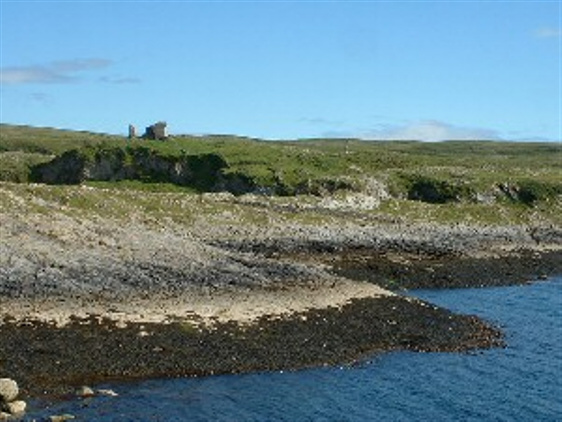
Achadun Castle’s setting makes it a popular destination for walkers and cyclists. The ruins are located approximately 5 km from the village of Achnacroish and are best accessed by foot or bicycle. The surrounding area offers stunning views across to Morvern and south to the Isle of Mull, making it an ideal spot for a picnic while soaking in the scenic beauty. The lush greenery, combined with the coastal breeze, creates a serene and picturesque atmosphere, perfect for those looking to escape into nature.
The castle’s remote location means it is less crowded than more accessible sites, adding to its charm. Visitors can explore the ruins and imagine the historical events that once took place there, from the days of the MacDougalls to the time when bishops controlled the land.
Accessing Achadun Castle requires a bit of planning. The ruins are located toward the southern end of Lismore, which can influence your choice of ferry routes. If you are traveling on foot, the longer ferry route from Oban to Achnacroish is recommended, as it brings you closer to the castle. This route is ideal for those who prefer to walk, offering scenic views of the coastline during the ferry journey. For cyclists, the shorter ferry from Port Appin to Lismore can also work well, as the island’s mostly flat terrain makes it easy to cover the distance by bike. Cycling is a wonderful way to explore Lismore, allowing visitors to take in the landscape, dotted with wildflowers, grazing sheep, and traditional crofts.
The Natural and Cultural Landscape of Lismore
Lismore, often described as the "green island," lives up to its name with its fertile, lush landscape. The island stretches about 10 miles long and 1 mile wide, creating a perfect setting for leisurely exploration. It has a mild climate, making it an excellent location for agriculture, and you’ll find fields filled with hay, crops, and livestock grazing across the countryside. The island is home to a vibrant community, and visitors can learn more about its history and culture by visiting Lismore Heritage Centre, which provides information about local customs, traditions, and historical sites.
In addition to Achadun Castle, Lismore has a range of attractions, including ancient standing stones, medieval church sites, and other historic ruins that tell the story of the island’s past. Whether you are interested in history, culture, or simply the stunning views, Lismore offers a peaceful retreat from the bustle of mainland Scotland.
Exploring the Ruins
Exploring Achadun Castle involves navigating through the weathered stone walls and imagining the once-impressive structure in its prime. While much of the castle is in ruins, the substantial remains still give a sense of its original size and design. Visitors can walk through what was likely the great hall and other sections, observing the architecture that has withstood centuries of weather. Information boards around the site provide historical context, offering insights into the castle’s past occupants and the role it played on the island.
The location of the castle on a hilltop offers strategic views across Bernera Bay, suggesting that it was well-positioned for both defense and oversight of the surrounding waters. The stunning vista makes the journey worthwhile, with panoramic views that capture the essence of Scotland’s rugged west coast.
Achadun Castle, with its blend of history, legend, and natural beauty, is a captivating destination on the Isle of Lismore. For those seeking to explore Scotland’s heritage, it offers a look into the past, from the medieval days of clan rule to its time under ecclesiastical control. Its connection to St. Moluag and the MacDougall Clan adds layers of intrigue, making it more than just a scenic ruin.
Visiting Achadun is also about experiencing the essence of Lismore. The castle is not only a historical monument but also a gateway to the island’s broader cultural and natural landscape. Whether you arrive by foot, bike, or ferry, the journey to Achadun is part of the experience, allowing visitors to soak in the views, breathe in the fresh coastal air, and step back into a time when the castle stood as a symbol of power on this quiet, green island.
For those planning to visit, a picnic at the castle, with views of the Morvern Peninsula and beyond, is a highly recommended way to spend a day. It’s a place where history, legend, and nature come together, offering a memorable experience for all who take the time to explore its storied grounds.